Two things I keep returning to: how a mind works, and how a thing should be made.
I trained as a psychologist and work with trauma. That work taught me to pay attention to what people actually experience, rather than to what a design or a product claims they experience.
The rest of my time goes into building — interfaces, brands, Android apps, websites. Maqzino came out of both halves: an atlas of the brain that has to be scientifically right and pleasant to hold at the same time.
Skills
Design
UI/UX
Brand identity
Motion
Illustration
Mobile
Kotlin
Jetpack Compose
Android
3D / SceneView
Web
HTML & CSS
JavaScript
React
Next.js
Psychology
Trauma therapy
Clinical psychology
Education
PhD student, Psychology
MA, Counselling
MSc, Artificial Intelligence
BSc, Computer Programming
Interests
Art
Digital design
Neuroscience
Typography
Photography
My work
My work
One finished thing, described properly, rather than five half-told ones.
Design and development — Android
Maqzino
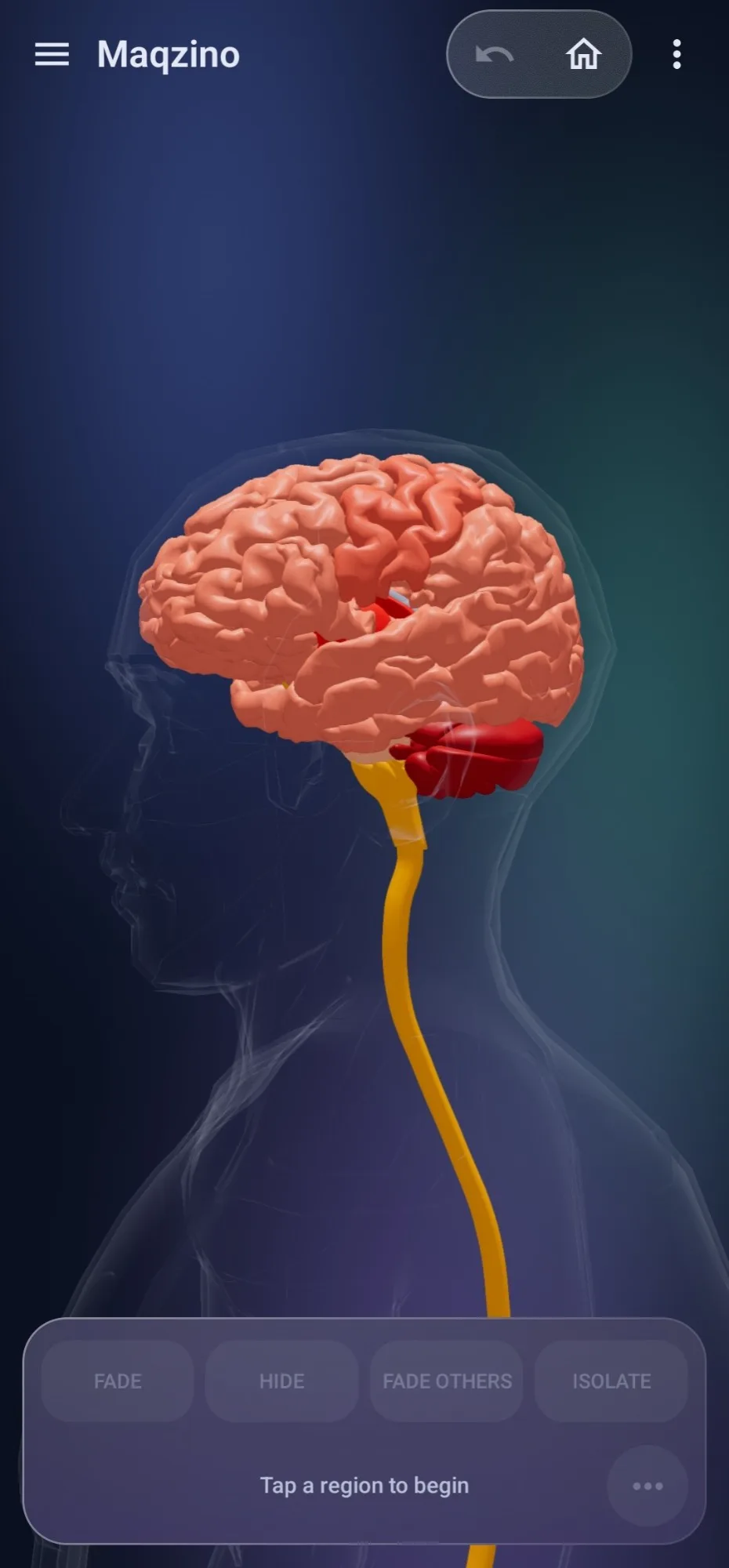
Interactive 3D atlas of the human brain — touch and learn
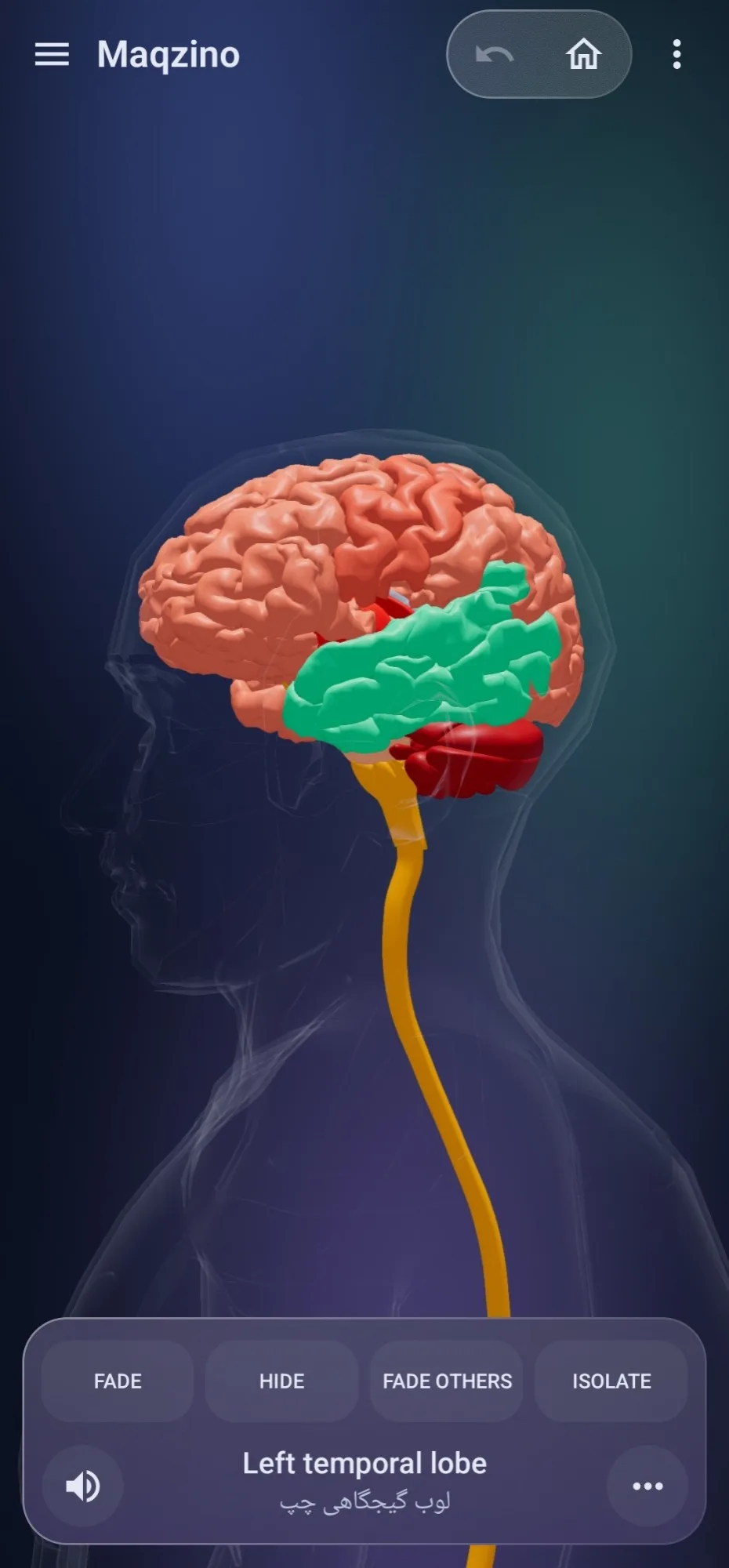
Maqzino is an interactive 3D atlas of the human brain. Rotate the model, tap any part and read about it — what it does, and how it looks from four scientific angles: evolutionary, biological, neurological and anatomical.
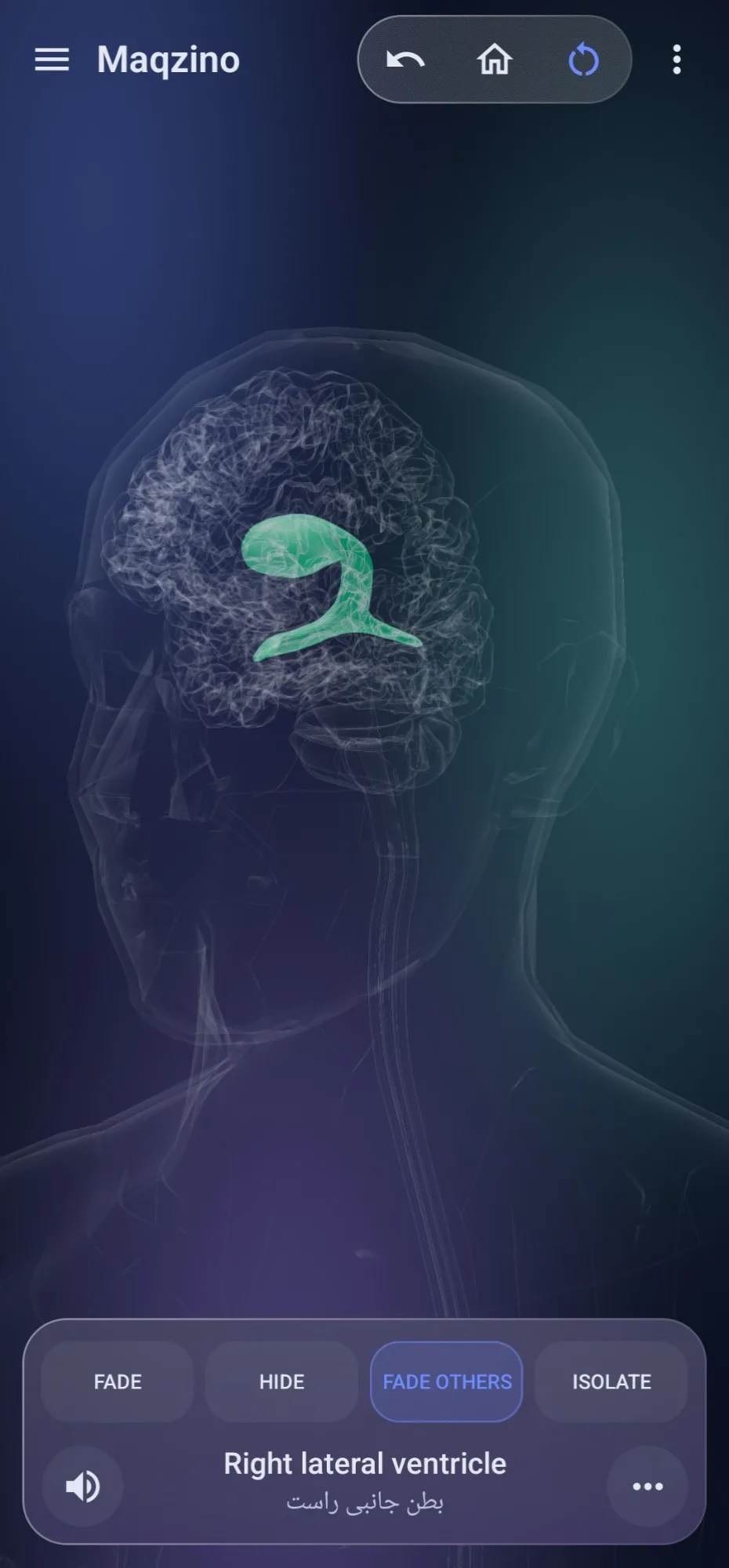
21 regions and 38 tappable structures inside a translucent body
Fade, hide or isolate any part to reach deep structures such as the hippocampus
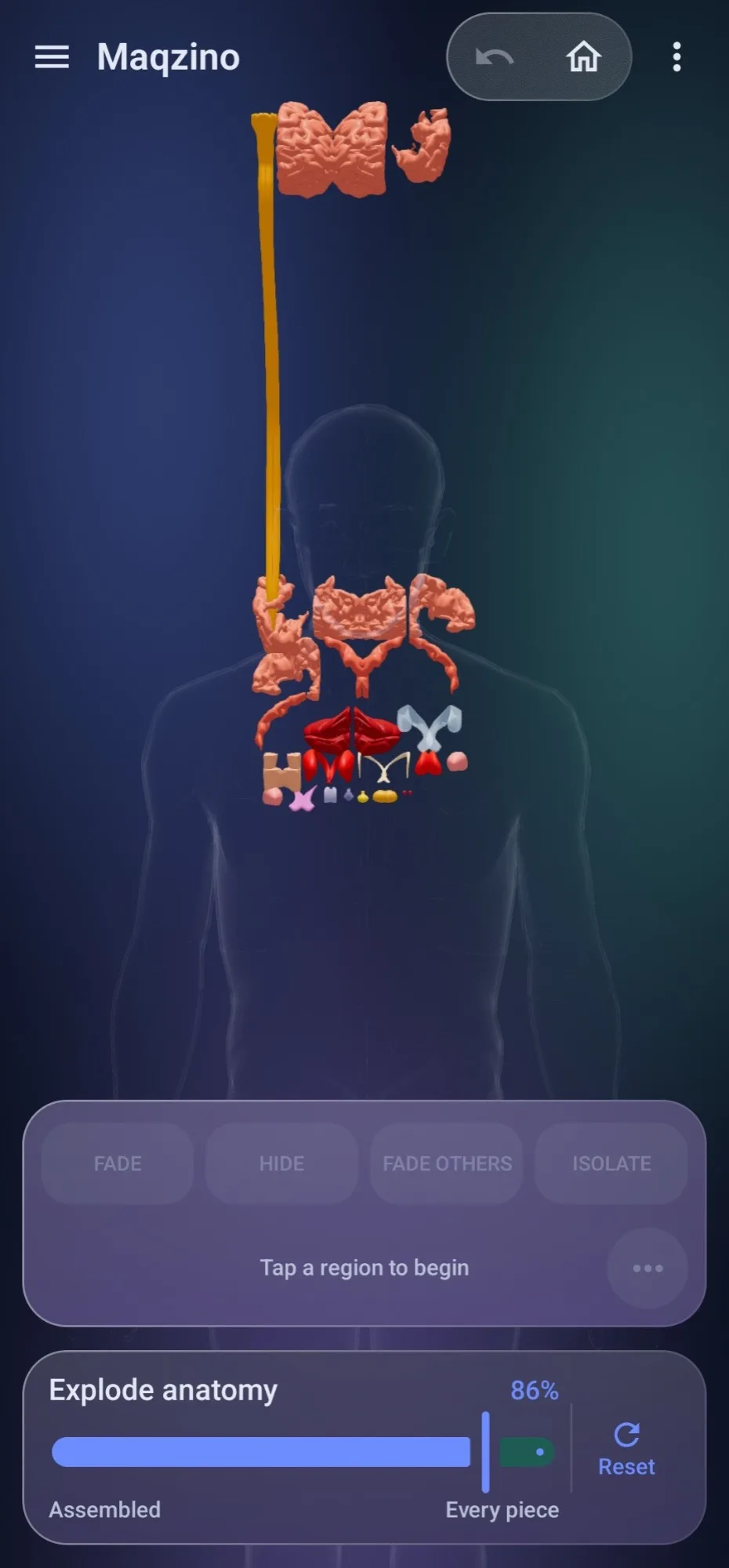
Explode mode pulls the brain apart piece by piece
English pronunciation for every region
Persian and English, light and dark, fully right-to-left
Completely offline: no internet permission, no ads, no analytics
Maqzino is free and stays free — no ads, no analytics, nothing locked behind a payment. If it was useful to you and you would like the work to continue, you can chip in. It unlocks nothing in the app; it just makes the next version more likely.